
Stainless Steel & Nickel Activator – Pickling Solution for Electroplating Preparation


€6.80
Available, delivery time: 1-2 days
Product information "Stainless Steel & Nickel Activator – Pickling Solution for Electroplating Preparation"
S
Stainless Steel & Nickel Activator – Professional Deplating / Pickling Solution for Optimal Electroplating Adhesion
Surface Activation for Stainless Steel, Nickel and Passive Metal Surfaces
The Stainless Steel & Nickel Activator from Betzmann Galvanik is a professional pickling and activation solution designed to prepare stainless steel, nickel and passive metal surfaces before electroplating.
High-alloy metals such as stainless steel and nickel naturally form a very stable oxide and passive layer on their surface. Although this layer provides excellent corrosion resistance, it can significantly reduce the adhesion of subsequent electroplated coatings and may cause problems such as poor adhesion, peeling or uneven deposits.
The activator removes these interfering passive layers and creates a chemically active metal surface that is optimally prepared for subsequent electroplating processes.
Suitable for applications such as:
Nickel plating
Gold plating
Silver plating
Chrome plating
Other electroplating processes
Your Advantages at a Glance
✔ Removes oxide and passive layers
✔ Activates stainless steel and nickel for improved adhesion
✔ Prevents adhesion problems during electroplating
✔ Suitable for non-electrolytic and electrolytic applications
✔ Ideal for pen plating, tampon plating and tank plating
✔ Fast and easy application
✔ Improves the quality and durability of electroplated coatings
✔ Professional surface preparation for high-quality results
Why Is an Activator Necessary?
Metals such as stainless steel and nickel can quickly form a passive layer when exposed to air.
This layer is an excellent protection against corrosion, but it can prevent a strong bond between the base material and the following electroplated coating.
Without proper activation, problems may occur:
Poor coating adhesion
Peeling or flaking of the deposit
Spotting
Uneven coatings
Premature coating failure
The activator creates a freshly activated surface and provides the ideal foundation for the next electroplating step.
Application Without Electricity (Immersion Process)
The activation can easily be carried out without a power supply.
Procedure:
Thoroughly degrease the workpiece.
Immerse the workpiece in the activator.
Activate for approx. 30–60 seconds.
Rinse thoroughly with water.
Continue directly with electroplating.
For improved performance, the activator can be heated.
Recommended temperature:
Usable at room temperature
Heating to approx. 40 °C improves the activation performance
The increased temperature accelerates the removal of oxide and passive layers and provides a more effective surface activation.
Application With Electricity (Electrolytic Activation)
For especially reliable results, the activator can also be used electrolytically.
This method is particularly suitable for:
Stainless steel
Passive nickel surfaces
Difficult-to-activate materials
Procedure:
Thoroughly degrease the workpiece.
Connect the workpiece to the negative pole.
Connect a stainless steel or suitable electrode to the positive pole.
Treat the surface with the activator.
Rinse thoroughly and proceed immediately with electroplating.
Recommended values:
Voltage: approx. 4 volts
Electrode: stainless steel or graphite
Activation time: approx. 30–60 seconds
Electrolytic activation supports the removal of passive layers and creates a highly active surface for excellent coating adhesion.
Suitable Materials
The activator is especially suitable for:
Stainless steel
Nickel
Passive nickel surfaces
Steel
Copper
Brass
Various metal alloys
For unknown materials, we recommend testing on an inconspicuous area before use.
Processing After Activation
After activation, the workpiece should be electroplated as soon as possible.
Recommended process:
Activate → Rinse → Electroplate immediately
Activated metal surfaces can change again when exposed to air, so quick further processing ensures the best results.
Typical Applications
Ideal for:
Jewellery electroplating
Stainless steel coating
Repair plating
Industrial applications
Precision engineering
Restoration work
Mechanical engineering
Metal finishing
Gold plating stainless steel
Nickel plating difficult materials
Technical Information
Product type:
Activator / Pickling solution
Application:
Surface preparation before electroplating
Processes:
Non-electrolytic activation (immersion process)
Electrolytic activation (pen/tampon process)
Activation time:
Approx. 30–60 seconds
Temperature:
Room temperature possible
Heating up to approx. 40 °C improves performance
Voltage for electrolytic application:
Approx. 4 volts
Suitable electrodes:
Stainless steel
Graphite
Safety Information
Wear safety glasses and suitable protective gloves.
Avoid contact with skin and eyes.
Use only in well-ventilated areas.
Observe the safety data sheet.
Do not inhale vapours or aerosols.
Quality from Betzmann Galvanik
The Stainless Steel & Nickel Activator is an essential step for professional electroplating applications.
By reliably removing oxide and passive layers, it creates an optimally prepared surface for strongly adherent, uniform and durable metal coatings.
SEO Shopware 6
Product Title:
Stainless Steel & Nickel Activator – Pickling Solution for Electroplating Preparation
SEO URL:stainless-steel-nickel-activator-pickling-solution
SEO Title:
Stainless Steel Nickel Activator | Pickling Solution for Electroplating
Meta Description:
Professional stainless steel and nickel activator for electroplating preparation. Removes oxide and passive layers for excellent adhesion during gold plating, nickel plating, silver plating and chrome plating.
Keywords:
stainless steel activator, nickel activator, pickling solution electroplating, stainless steel electroplating preparation, activate stainless steel, activate nickel, remove passive layer, remove oxide layer, electroplating preparation, pen plating activator, tampon plating activator, gold plating stainless steel
Long-Tail Keywords:
stainless steel activator before gold plating, nickel pickling solution for electroplating, improve stainless steel plating adhesion, remove stainless steel passive layer, electrolytic stainless steel activation, immersion activator for electroplating


Signal word *** Danger
Hazard statements ***
H314 Causes severe skin burns and serious eye damage.
H335 May cause respiratory irritation. Precautionary statements ***
P280 Wear protective gloves/protective clothing/eye protection/face protection.
P301+P330+P331 IF SWALLOWED: Rinse mouth. DO NOT induce vomiting.
P303+P361+P353 IF ON SKIN (or hair): Remove all contaminated clothing immediately. Wash skin with water [or shower].
P305+P351+P338 IF IN EYES: Rinse cautiously with water for several minutes. Remove contact lenses, if present and easy to do. Continue rinsing.
P310 Immediately call a POISON CENTER or doctor.
P501.9 Dispose of contents/container as hazardous waste.
Hazard-determining component(s) for labeling (Regulation (EC) No 1272/2008)
contains Citric acid, monohydrate
Ähnliche Artikel

Chrome Stripper – Chrome Remover for Electrolytic Stripping | Tank, Pen & Tampon PlatingRemove Electroplated Chrome Layers – Precisely, Efficiently and ProfessionallyThe Chrome Stripper / Chrome Remover from Betzmann Galvanik has been specially developed for the electrolytic removal of electroplated chrome layers. By reversing the polarity, the chrome coating becomes anodic and is dissolved from the workpiece in a controlled manner.The product is suitable for pen plating, tampon plating and tank plating, making it possible to remove chrome selectively from individual areas or completely from larger workpieces.This process is particularly useful for typical nickel-chrome coating systems. As the chrome layer is removed, the underlying nickel layer becomes visible, allowing the stripping process to be visually monitored.Your Advantages at a GlanceEffective electrolytic chrome strippingRemoves electroplated chrome layersSuitable for tank plating, pen plating and tampon platingSuitable for selective or complete chrome removalControlled stripping through adjustment of time and electrical parametersVisual control of the transition from chrome to nickelIdeal for repairs, restoration and recoatingNo mechanical grinding of the chrome layer requiredSuitable for professional electroplating applicationsHow Does Electrolytic Chrome Stripping Work?During normal electroplating, the workpiece is connected as the cathode (negative pole) and metal is deposited onto its surface.During electrolytic stripping, the polarity is reversed:Workpiece = Positive pole / AnodeElectrode = Negative pole / CathodeThe chrome coating is therefore anodically dissolved from the surface of the workpiece.Correct polarity is essential for the stripping process.Easy rule to remember:For plating: Workpiece = NegativeFor stripping: Workpiece = PositiveChrome Removal with Pen or Tampon PlatingPen plating and tampon plating are ideal when chrome needs to be removed only from specific areas of a workpiece.This is particularly useful for repairs, selective stripping and complex components.Procedure:Thoroughly clean and degrease the workpiece.Connect the workpiece to the positive pole of the DC power supply.Connect the suitable electrode to the negative pole.Apply the chrome stripper through the felt, pad or tampon.Start with a low voltage.Move the electrode evenly across the area to be stripped.Monitor the stripping process.Once the chrome layer has been removed, rinse the workpiece thoroughly.As a practical starting point, approximately 5 volts can be used for pen plating and adjusted according to the application.Chrome Stripping in a Tank / Immersion ProcessFor larger workpieces or complete chrome removal, the Chrome Stripper can also be used in a tank.The entire workpiece is immersed in the electrolyte and treated electrolytically.The polarity remains:Workpiece → Positive pole (Anode)Counter electrode → Negative pole (Cathode)The actual process parameters should be adjusted according to the workpiece size, chrome layer, electrode surface area and desired stripping rate.For larger surfaces, tank plating provides the advantage of a more uniform treatment.Selective Chrome StrippingOne of the major advantages of the electrolytic process is the ability to remove chrome only from selected areas.This is particularly useful for:Repair workReworking electroplated coatingsPartial chrome removalRestorationPreparation for recoatingComplex componentsPen plating or tampon plating allows even difficult-to-access areas to be treated precisely.When Should Chrome Be Removed?The Chrome Stripper is particularly useful when an existing chrome layer:Is damagedHas scratchesHas become unevenNeeds to be removed before recoatingNeeds to be renewed during restorationShould only be removed from selected areasAfter the chrome has been removed, the underlying nickel layer may become visible and, where technically suitable, can serve as the basis for further processing.Process ControlFor clean and controlled results, the stripping process should be carefully monitored.Important factors include:Current / current densityTreatment timeElectrode surface areaDistance between workpiece and counter electrodeThickness of the existing chrome layerUniform movement during pen or tampon platingWhen working selectively, it is recommended to start with a low power setting and continuously monitor the stripping progress.Do not treat the workpiece unnecessarily long. Stop the process once the chrome layer has been removed.Typical ApplicationsThe Chrome Stripper is suitable for applications including:Automotive partsClassic car restorationMotorcycle partsJewelleryDecorative metal componentsFittings and hardwareModel makingPrecision engineeringElectroplating repair workIndustrial reworkingPreparation for renewed electroplatingSuitable for Different Electroplating ProcessesThe Chrome Stripper can be used with:Pen PlatingIdeal for localized and selective chrome removal.Tampon PlatingSuitable for larger localized areas and complex surfaces.Tank PlatingIdeal for complete chrome removal from larger workpieces or components.Important Information About the Base MaterialThe stripping process should always be adapted to the specific coating system and base material.With a typical decorative coating system:Base material → Copper → Nickel → Chromethe outer chrome layer is removed first during the stripping process. The underlying nickel layer then becomes visible.For unknown materials or coating systems, we recommend testing the process on a suitable inconspicuous area first.Application – Quick Guide1. Clean and degreaseThoroughly remove oil, grease, dirt and other residues from the workpiece.2. Connect the correct polarityConnect the workpiece to positive / anode.Connect the counter electrode to negative / cathode.3. Apply the electrolyteFor pen or tampon plating, apply the electrolyte through the pad, felt or tampon.4. Start with a low settingFor pen plating, approximately 5 volts can be used as a starting point.5. Monitor the processObserve the chrome layer and move the electrode evenly.6. Rinse after strippingThoroughly rinse the workpiece with water.7. Continue processingIf the workpiece is to be recoated, activate the surface appropriately and continue with the next electroplating step without unnecessary delay.Safety InformationThe Chrome Stripper is a strongly alkaline and corrosive product.Always observe appropriate safety precautions:Wear chemical-resistant protective glovesWear safety goggles or suitable face protectionWear appropriate protective clothingDo not inhale vapours or aerosolsWork only in well-ventilated areasAvoid contact with skin and eyesFollow the Safety Data Sheet and product labellingDanger: Causes severe skin burns and serious eye damage.Store and dispose of the product according to applicable regulations.Technical Product InformationProduct:Chrome Stripper / Chrome RemoverProcess:Electrolytic chrome stripping / Reverse PlatingSuitable for:Tank platingPen platingTampon platingSelective chrome strippingComplete chrome strippingPolarity during stripping:Workpiece = Positive pole / AnodeCounter electrode = Negative pole / CathodeStarting value for pen plating:Approx. 5 voltsThe optimum settings depend on the workpiece, chrome layer, electrode surface area and process requirements.Available sizes:250 ml, 500 ml, 1 litre, 2 litres and 5 litresProduct number: BMG-062.3Chrome Stripper from Betzmann GalvanikThe Chrome Stripper / Chrome Remover provides a flexible and controlled method for the electrolytic removal of electroplated chrome layers.Whether selectively with pen plating, over larger areas with tampon plating, or completely in a tank process – the Chrome Stripper is a practical solution for removing chrome coatings and preparing components for further electroplating processes.
Content: 0.25 Liter (€38.00 / 1 Liter)

Graphite Electrode Ø 6 mm – Universal Electrode for Professional ElectroplatingChemically Inert Graphite Electrode for Tank, Pen and Brush PlatingThe Graphite Electrode Ø 6 mm is manufactured from high-quality, high-density fine-grain graphite and is ideal for a wide range of electroplating applications. It is used wherever a metal-free, chemically inert electrical conductor is required and contamination of the electrolyte by metal ions must be avoided.Thanks to its excellent chemical resistance, graphite dissolves only very slowly in the electrolyte. This keeps the electrolyte composition stable and ensures high-quality, uniform plating results.The graphite electrode is perfectly suited for tank plating, pen plating and brush (tampon) plating and is compatible with a wide variety of electroplating solutions.Your AdvantagesManufactured from high-quality fine-grain graphiteChemically inertVery low wearNo contamination of the electrolyte with metal ionsExcellent chemical resistanceUniform current distributionSuitable for a wide range of electroplating processesLong service lifeFits standard 6 mm electrode holdersProfessional quality from Betzmann GalvanikWhy Use a Graphite Electrode?Many electroplating processes require that no additional metal ions enter the electrolyte, as these can negatively affect coating quality.Graphite offers several important advantages:Chemically almost inertVery low solubilityExcellent temperature resistanceGood electrical conductivityNo contamination of the electrolyteThese properties make graphite the preferred choice for many decorative and technical plating applications.Typical ApplicationsIdeal for:Gold platingSilver platingChromium platingPalladium platingPlatinum platingWhite bronze platingBlack nickel platingTank platingPen platingBrush (tampon) platingActivating solutionsCleaning solutionsWorkshopsLaboratoriesIndustrial applicationsRestorationModel makingMaterial PropertiesThe electrode is manufactured from high-density fine-grain graphite and offers:Excellent chemical resistanceGood electrical conductivityLow wearSlow consumption in the electrolyteLong service lifeApplication InstructionsBefore use:Keep the electrode clean and free from greaseUse a suitable electrolyteFollow the recommended voltage and current settingsDuring operation, the graphite electrode wears only slowly. Replacing it when necessary ensures consistently high-quality plating results.Technical SpecificationsMaterial: High-density fine-grain graphiteDiameter: 6 mmExcellent chemical resistanceVery good electrical conductivitySuitable for standard electrode holdersPackage Contents1 × Graphite Electrode Ø 6 mmQuality from Betzmann GalvanikBetzmann Galvanik supplies high-quality electrodes and professional accessories for demanding electroplating applications. The Graphite Electrode Ø 6 mm offers excellent chemical resistance, long service life and universal compatibility, making it the ideal choice for hobby users, workshops and industrial applications.

Anode Fabric Pad Sleeve Fluffy BMG-015 – Uniform Coating & Maximum Control The Anode Fabric Pad Fluffy BMG-015 is a specially designed accessory for pen plating and tampon electroplating, ensuring consistent electrolyte distribution and controlled coating processes. Thanks to its fluffy, high-volume structure, the pad absorbs electrolyte efficiently and releases it evenly and continuously onto the surface. This results in clean, uniform and high-quality metal coatings, even in demanding applications. Key Benefits at a Glance Excellent electrolyte absorption and release Uniform liquid and current distribution Ideal for precise and controlled plating Suitable for: Pen plating Tampon plating Reduces streaking and uneven deposits Flexible and easy to replace Applications Selective metal plating Repair and touch-up work Fine detail applications Jewelry finishing Technical surface treatments Technical Parameters Product Type: Anode fabric pad (fluffy) Item Number: BMG-015 Material: High-absorbency textile fabric Structure: Fluffy / high-volume Function: Electrolyte carrier for anode applications Application Areas: Pen plating Tampon plating Electrolyte Absorption: Very high Electrolyte Release: Even and controlled Current Distribution: Supports uniform deposition Reusability: Limited (depending on application) Replacement: Quick and easy Application – Step by Step 1. Preparation Soak the fabric pad with the appropriate electrolyte Allow excess liquid to drip off slightly Attach to the anode or plating pen 2. Pen Plating Application Move the pad evenly across the surface Maintain consistent contact Control voltage and movement Ensures precise and clean results 3. Tampon Plating Application Use the pad as an electrolyte carrier Apply even pressure Maintain continuous motion Ideal for selective plating applications Pro Tips for Best Results Replace pad regularly for consistent quality Avoid over-saturation → better control Uniform movement prevents streaks Always use clean electrolyte Conclusion The Anode Fabric Pad Fluffy BMG-015 is an essential accessory for achieving precise, uniform and high-quality results in pen and tampon electroplating. It ensures optimal control, clean finishes and significantly improved coating performance.
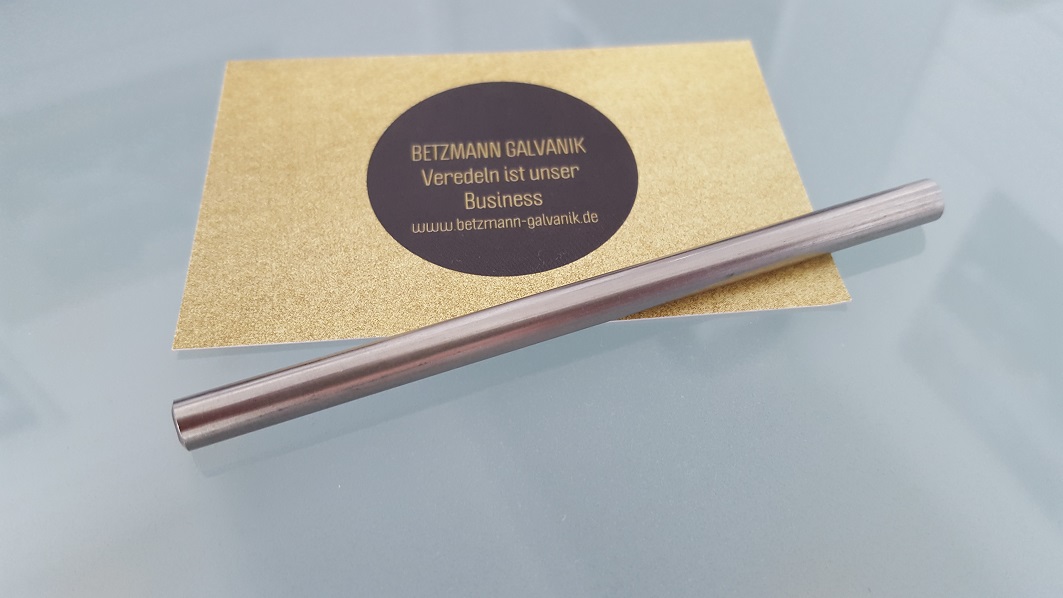
Stainless Steel Electrode Ø 6 mm – Universal Electrode for Activating, Degreasing, Dechroming and Chromium PlatingDurable Stainless Steel Electrode for Professional Tank, Pen and Brush PlatingThe Stainless Steel Electrode Ø 6 mm is manufactured from high-quality, corrosion-resistant stainless steel and has been specially designed for a wide range of electroplating applications. It is ideal for electrolytic degreasing, surface activation, dechroming and chromium plating, providing reliable current transfer in tank plating, pen plating and brush (tampon) plating.Its excellent chemical resistance and mechanical strength ensure a long service life, making it the perfect choice for workshops, laboratories and industrial applications.Your AdvantagesManufactured from high-quality corrosion-resistant stainless steelRobust and durable constructionExcellent electrical conductivityIdeal for electrolytic degreasing and surface activationPerfect for dechromingIdeal for chromium platingSuitable for tank plating, pen plating and brush platingFits standard 6 mm electrode holdersEasy to useProfessional quality from Betzmann GalvanikWhy Use a Stainless Steel Electrode?Stainless steel electrodes are primarily used for pretreatment and cleaning processes. They offer excellent resistance to many electrolytes while providing reliable electrical conductivity with minimal wear.They are particularly suitable for:Electrolytic degreasingSurface activationDechromingChromium platingCleaning processes before electroplatingTypical ApplicationsIdeal for:Electrolytic degreasingSurface activationDechromingChromium platingPretreatment of metal componentsTank platingPen platingBrush (tampon) platingWorkshopsLaboratoriesIndustrial applicationsRestorationModel makingMaterial PropertiesThe electrode is manufactured from high-quality stainless steel and offers:Excellent corrosion resistanceGood electrical conductivityHigh mechanical strengthLong service lifeVersatile applicationsApplication InstructionsBefore use:Thoroughly clean the workpieceRemove grease and contaminationUse a suitable electrolyteFollow the recommended voltage and current settingsImportant Note:For precious metal plating such as gold, silver, palladium or platinum, we recommend using a graphite or platinum electrode, as these do not contaminate the electrolyte with metal ions. Stainless steel electrodes are primarily intended for activation, cleaning, dechroming and chromium plating applications.Technical SpecificationsMaterial: Corrosion-resistant stainless steelDiameter: 6 mmLength: approx. 95 mmExcellent chemical resistanceSuitable for standard electrode holdersPackage Contents1 × Stainless Steel Electrode Ø 6 mmQuality from Betzmann GalvanikBetzmann Galvanik supplies high-quality electrodes and professional accessories for demanding electroplating applications. The Stainless Steel Electrode Ø 6 mm offers outstanding durability, excellent chemical resistance and versatile performance, making it the ideal choice for degreasing, activation, dechroming and chromium plating in hobby, workshop and industrial environments.

Galvanic Cleaner Electrocleaner – Professional Metal Cleaning Before ElectroplatingPerfect Surface Preparation for Strong Adhesion and High-Quality Electroplated CoatingsThe Galvanic Cleaner Electrocleaner from Betzmann Galvanik is a powerful professional degreasing solution for cleaning and preparing metal surfaces before electroplating.Thorough degreasing is one of the most important steps in electroplating technology. Even the smallest residues such as oils, grease, polishing compounds, waxes, silicones, fingerprints or other organic contaminants can negatively affect the adhesion and quality of electroplated coatings.The Electrocleaner reliably removes interfering contaminants and creates a clean, activated and optimally wettable metal surface. This provides the ideal foundation for uniform, strongly adherent and high-quality electroplated coatings.Suitable for numerous electroplating processes such as:Gold platingSilver platingNickel platingCopper platingZinc platingChrome platingRhodium platingOther electroplating applicationsA professional coating always starts with perfect surface preparation.Your Advantages at a GlanceProfessional galvanic degreaser for metal surfacesRemoves oil, grease, polishing residues and organic contaminantsIdeal preparation before electroplating processesImproves adhesion of subsequent metal coatingsSuitable for both non-electrolytic and electrolytic cleaningSuitable for tank plating, pen plating and tampon platingSupports bright and uniform coating resultsEasy applicationSuitable for hobby users, workshops and professional applicationsWhy Degreasing Before Electroplating Is EssentialThe quality of every electroplated coating depends greatly on proper surface preparation.Even very small amounts of contamination can cause problems such as:Poor coating adhesionPeeling or flaking of the depositSpotting and stainsUneven coating surfacesPoor wetting during electroplatingThe Galvanic Cleaner Electrocleaner ensures an optimally prepared metal surface and improves the reliability and quality of the following plating process.Suitable MaterialsThe Electrocleaner is suitable for many conductive metals and metal alloys, including:SteelStainless steelCopperBrassBronzeNickelSilverOther electroplatable metalsFor sensitive materials, we recommend testing on an inconspicuous area before use.Application Methods1. Non-Electrolytic CleaningThe cleaner can be used without electrical assistance.Application:Immerse the workpiece in the Electrocleaner.Allow it to work for several minutes depending on the contamination level.Move the workpiece slightly if required.Rinse thoroughly with water.Continue directly with the next electroplating preparation step or coating process.2. Electrolytic Cleaning with Stainless Steel ElectrodeFor particularly thorough cleaning results, the Electrocleaner can also be used electrolytically.This method effectively removes stubborn organic residues such as oil, grease and polishing compounds.Recommended application:Electrode: Stainless steel electrodeVoltage: approx. 4 voltsProcess: Electrolytic degreasingCleaning time: Depending on contamination and workpiece sizeThe stainless steel electrode offers excellent durability and long service life and is ideally suited as a counter electrode for electrolytic cleaning.After cleaning:Rinse the workpiece thoroughlyDo not touch the cleaned surface with bare handsContinue immediately with the next electroplating stepUse in Electroplating ProcessesRecommended process sequence:Cleaning → Rinsing → Activation → ElectroplatingA clean and grease-free surface is essential for:Excellent adhesionUniform layer formationBrilliant surfacesReproducible resultsThe Electrocleaner is therefore an important part of every professional electroplating setup.Typical ApplicationsIdeal for:Jewellery electroplatingGold platingSilver platingRepair platingElectronicsPrinted circuit boardsPrecision engineeringMetal finishingRestoration workWorkshopsIndustrial coating applicationsPractical Tips for Best Results✔ Remove heavy contamination before cleaning✔ Use clean tools and containers✔ Do not touch cleaned surfaces with bare hands✔ Rinse thoroughly after degreasing✔ Continue with the next plating step immediately to prevent renewed contaminationAvoid Common ProblemsPoor coating adhesion:→ Surface was not sufficiently cleaned or degreased.Spots or uneven coatings:→ Oil, grease or polishing residues remain on the surface.Coating peeling after plating:→ Surface preparation was insufficient.Technical InformationProduct:Galvanic Cleaner / ElectrocleanerApplication:Metal cleaning before electroplatingProcesses:Non-electrolytic cleaningElectrolytic cleaningRecommended counter electrode for electrolytic cleaning:Stainless steel electrodeRecommended voltage:Approx. 4 voltsSuitable for:Tank platingPen platingTampon platingSafety InformationWear safety glasses and suitable protective gloves.Avoid contact with skin and eyes.Use only in well-ventilated areas.Observe the safety data sheet.Do not release into the environment.Quality from Betzmann GalvanikThe Galvanic Cleaner Electrocleaner is a professional surface preparation product for users who require reliable and high-quality electroplating results.A perfect coating always begins with a perfectly cleaned surface. With the Electrocleaner, you create the ideal foundation for bright, uniform and permanently adherent metal coatings.
Content: 0.25 Liter (€23.60 / 1 Liter)