
Dice set - gold-plated

€22.61
Available, delivery time: 7 days
Product information "Dice set - gold-plated"
Dice set - silver-plated
Type: Silver-plated metal dice
Weight: approx. 60g
Size: see pictures
Material: Copper-zinc alloy
Features:
1. the silver numbers in easy-to-read font stand out clearly against the background.
2. the metal dice are made of environmentally friendly material, silver-plated, smooth, lightweight, durable, oxidation-resistant.
Scope of delivery:
5 pieces of silver-plated dice
Ähnliche Artikel

Gold Flash 2 g/L – Gold Plating Electrolyte for Pen, Tank and Brush/Tampon PlatingVersatile gold electrolyte for decorative plating and galvanic intermediate layersGold Flash Electrolyte with 2 g/L gold is designed for thin decorative gold coatings, selective replating and a variety of electroplating applications. It is suitable for pen plating, tank plating and brush/tampon plating.In addition to decorative gold plating, Gold Flash can be used as a thin galvanic intermediate layer or adhesion layer for subsequent coatings, provided that the base material, surface pretreatment and subsequent plating process are compatible.Gold Flash may also be used as part of coordinated plating processes for producing different gold colours, including white gold, rose gold and green gold. The electrolytes and mixing ratios required for these applications must be appropriately matched.Key BenefitsGold plating electrolyte containing 2 g/L goldSuitable for pen plating, tank plating and brush/tampon platingDesigned for thin decorative gold coatings and replatingPotential use as a galvanic adhesion layer or intermediate layer for subsequent coatingsSuitable for compatible metal surfaces and multilayer plating systemsCan be incorporated into coordinated processes for different gold coloursGold content of the deposited layer: 99.9%, according to the product specificationsDeposition rate of approximately 0.12 µm/min at 5.0 V using a platinum electrodeSpecified current density: 0.1 A/cm²Deposit hardness: 180–190 HVStated shelf life: more than 3 yearsTechnical SpecificationsPropertySpecificationProduct nameGold Flash / GoldflashGold concentration2 g/LVoltage range4.0–6.0 VOperating temperature14–25 °CCurrent density0.1 A/cm²Electrode materialPlatinum or carbonGold content of deposit99.9%Deposition rateApprox. 0.12 µm/min at 5.0 V with a platinum electrodeDeposit hardness180–190 HVDeposit density19.3 g/cm³Internal stressLow to mediumStorageProtect from sunlightShelf lifeMore than 3 yearsPen Plating ApplicationsPen plating is suitable for selectively coating small areas, edges, individual component sections and repair spots. Using a suitable plating unit and pen electrode, specific areas can be plated without immersing the entire workpiece in a plating bath.The specified voltage range is 4.0–6.0 V. The appropriate setting depends on the equipment, electrode, surface condition and process parameters.Brush/Tampon Plating ApplicationsIn brush or tampon plating, the electrolyte is applied to the prepared workpiece using a suitable applicator saturated with electrolyte. This method allows selective plating of larger areas and is particularly useful for components that cannot be fully immersed in a plating bath.The specified deposition rate of approximately 0.12 µm/min was measured at 5.0 V using a platinum electrode on a sample area continuously covered by the applicator. Actual deposition rates may vary depending on the surface geometry, applicator movement and operating conditions.Tank Plating ApplicationsTank plating is suitable for coating compatible workpieces that can be fully or partially immersed in the electrolyte. It can be used for decorative finishes and selected applications in multilayer electroplating systems.For a uniform coating, appropriate surface preparation, electrode positioning and suitable process parameters are essential. The specified operating temperature is 14–25 °C.Gold Flash as an Adhesion Layer for Subsequent CoatingsGold Flash can be used as a thin galvanic intermediate layer to provide a suitable foundation for subsequent coating processes. Depending on the base material and the following plating process, the gold layer may serve as an adhesion layer between the workpiece and a subsequent electroplated coating.The electrolyte is intended for use on compatible metal surfaces. Adhesion depends on appropriate pretreatment, a clean and sufficiently activated surface, and correct coordination of the individual plating steps.Gold Flash can therefore form part of a multilayer electroplating process. Suitability must be evaluated for the specific base metal and subsequent coating.A Basis for Different Gold ColoursGold Flash may be incorporated into suitable plating processes to produce different gold colours, including:White gold: light, silvery-white gold finishesRose gold: warm, reddish-gold finishesGreen gold: greenish-yellow gold finishesThe final colour depends on the composition of the coating electrolytes and the plating process. Gold Flash may be used as part of a coordinated process for achieving the desired finish.Important: Different electrolytes must not be mixed directly without first verifying their chemical compatibility. Follow the relevant manufacturer specifications and validated formulations when producing specific gold colours.Thin Decorative Gold CoatingsGold Flash is designed for thin decorative gold deposits and selective replating. According to the product specifications, the deposited layer has a gold content of 99.9% and a hardness of 180–190 HV.The achievable coating thickness and final result depend on factors including plating time, power supply, electrode configuration, surface condition and the selected plating method.The specified current density is 0.1 A/cm². In practical applications, the appropriate current density may depend on the particular process and plating method.Electrodes and Process NotesPlatinum or carbon electrodes are specified for this electrolyte. The use of stainless-steel anodes is expressly discouraged for most plating processes.The stated deposition rate refers to a sample area continuously covered by the plating applicator. This reference value should not automatically be applied to every workpiece geometry or plating method.Storage and Shelf LifeProtect Gold Flash Electrolyte from sunlight during storage. The stated shelf life is more than 3 years.Gold Flash from Betzmann GalvanikGold Flash Electrolyte 2 g/L offers versatile applications in electroplating and surface finishing. It is suitable for pen plating, tank plating and brush/tampon plating. In addition to decorative gold finishes, it can be incorporated into coordinated multilayer plating systems, including potential intermediate layers and processes for achieving different gold colours.Betzmann Galvanik – Electroplating products and solutions for high-quality surface finishing.
Content: 0.05 Liter (€420.00 / 1 Liter)

Graphite Electrode Ø 6 mm – Universal Electrode for Professional ElectroplatingChemically Inert Graphite Electrode for Tank, Pen and Brush PlatingThe Graphite Electrode Ø 6 mm is manufactured from high-quality, high-density fine-grain graphite and is ideal for a wide range of electroplating applications. It is used wherever a metal-free, chemically inert electrical conductor is required and contamination of the electrolyte by metal ions must be avoided.Thanks to its excellent chemical resistance, graphite dissolves only very slowly in the electrolyte. This keeps the electrolyte composition stable and ensures high-quality, uniform plating results.The graphite electrode is perfectly suited for tank plating, pen plating and brush (tampon) plating and is compatible with a wide variety of electroplating solutions.Your AdvantagesManufactured from high-quality fine-grain graphiteChemically inertVery low wearNo contamination of the electrolyte with metal ionsExcellent chemical resistanceUniform current distributionSuitable for a wide range of electroplating processesLong service lifeFits standard 6 mm electrode holdersProfessional quality from Betzmann GalvanikWhy Use a Graphite Electrode?Many electroplating processes require that no additional metal ions enter the electrolyte, as these can negatively affect coating quality.Graphite offers several important advantages:Chemically almost inertVery low solubilityExcellent temperature resistanceGood electrical conductivityNo contamination of the electrolyteThese properties make graphite the preferred choice for many decorative and technical plating applications.Typical ApplicationsIdeal for:Gold platingSilver platingChromium platingPalladium platingPlatinum platingWhite bronze platingBlack nickel platingTank platingPen platingBrush (tampon) platingActivating solutionsCleaning solutionsWorkshopsLaboratoriesIndustrial applicationsRestorationModel makingMaterial PropertiesThe electrode is manufactured from high-density fine-grain graphite and offers:Excellent chemical resistanceGood electrical conductivityLow wearSlow consumption in the electrolyteLong service lifeApplication InstructionsBefore use:Keep the electrode clean and free from greaseUse a suitable electrolyteFollow the recommended voltage and current settingsDuring operation, the graphite electrode wears only slowly. Replacing it when necessary ensures consistently high-quality plating results.Technical SpecificationsMaterial: High-density fine-grain graphiteDiameter: 6 mmExcellent chemical resistanceVery good electrical conductivitySuitable for standard electrode holdersPackage Contents1 × Graphite Electrode Ø 6 mmQuality from Betzmann GalvanikBetzmann Galvanik supplies high-quality electrodes and professional accessories for demanding electroplating applications. The Graphite Electrode Ø 6 mm offers excellent chemical resistance, long service life and universal compatibility, making it the ideal choice for hobby users, workshops and industrial applications.
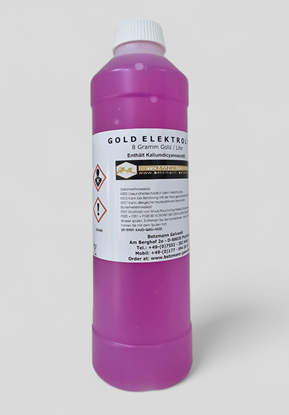
Gold Electrolyte 8 g/L – 24K Hard Gold Plating SolutionProfessional Gold Electrolyte for Bath Plating, Pen Plating and Brush PlatingThe BMG-067 Gold Electrolyte from Betzmann Galvanik contains 8 g/L of gold and is designed for high-quality electroplating applications.Its specially formulated composition produces a hard, wear-resistant and uniform gold deposit with a hardness of approximately 220–230 HV.With a specified gold content of 99.9% in the deposit, this electrolyte is suitable for premium decorative and technical gold plating applications.The electrolyte can be used for conventional immersion plating as well as selective pen plating and brush plating.For applications requiring thicker gold coatings, deposits exceeding 10 µm can also be achieved under suitable operating conditions using an appropriate platinum electrode.Key Features and BenefitsGold concentration: 8 g/LSpecified gold content in the deposit: 99.9%24-karat gold platingDeposit hardness: approximately 220–230 HVGood wear resistanceSuitable for immersion and bath platingSuitable for pen platingSuitable for brush platingPlatinum or carbon/graphite electrodesStandard maximum deposit thickness according to manufacturer: approximately 5 µmDeposits exceeding 10 µm possible under suitable conditionsSuitable for decorative and technical applicationsTechnical Specifications and Operating ConditionsParameterManufacturer SpecificationProduct numberBMG-067Gold concentration8 g/LVoltage range3–5 VReference voltage3.5 VOperating temperature14–25 °CSuitable electrodesPlatinum or carbon/graphiteGold content in deposit99.9%Remaining deposit componentCarbonPlating rateApprox. 0.5 µm/min at 3.5 V with platinum electrode (spot plating)Cathodic efficiency35–40% at 3.5 V with platinum electrodeMaximum standard deposit thicknessApprox. 5 µmExtended deposit thicknessOver 10 µm possible under suitable conditionsDeposit hardness220–230 HVDeposit density19.3 g/cm³Internal stressMediumStorage requirementsProtect from direct sunlightShelf life1 yearHealth and safety classificationHarmful (manufacturer specification)Special ingredientsContains 0.3% potassium cyanideTransport classificationNo UN number; not classified as dangerous goods for transportRecommended Current Density and Operating VoltageThe recommended operating voltage range is 3–5 volts. The manufacturer's reference condition for the specified plating rate is 3.5 volts using a platinum electrode.For immersion bath plating, we recommend starting with a moderate current density and adjusting the operating parameters according to the workpiece geometry and deposit quality.Suggested starting values for practical trials:ApplicationCurrent DensityBath plating – starting range0.5–1.0 A/dm²Bath plating – extended trial range1.0–1.5 A/dm²Pen platingDepending on electrode and contact areaBrush platingDepending on swab size and contact areaThese current density values are suggested practical trial ranges and are not manufacturer-confirmed operating specifications.The optimum current density depends on the workpiece surface area, electrode distance, bath movement, temperature and component geometry.Voltage alone does not determine current density. We therefore recommend using a regulated DC power supply with adjustable current control.Calculation example:For a workpiece surface area of 20 cm² and a current density of 0.01 A/cm²:20 cm² × 0.01 A/cm² = 0.20 AThe current should be monitored and controlled throughout the plating process to achieve consistent coating results.Suitable Electrodes – Platinum or Graphite?This gold electrolyte can be used with both platinum and graphite/carbon electrodes.Platinum Electrode – Our RecommendationExcellent chemical resistanceLong service lifeSuitable for professional electroplating applicationsReference electrode for the manufacturer's specified plating rateParticularly suitable for thicker gold depositsFor professional applications, especially when aiming for gold deposits exceeding 10 µm, we recommend using a suitable platinum electrode.Graphite / Carbon ElectrodeEconomical alternative to platinumSuitable for compatible electroplating applicationsInteresting option for larger electrode surfacesSuitable for various bath and selective plating applicationsImportant: We strongly advise against using stainless steel anodes for most of our electroplating processes.Gold Deposits Exceeding 10 µmThe manufacturer's specified standard maximum deposit thickness is approximately 5 µm.For applications requiring thicker gold coatings, deposits exceeding 10 µm can also be achieved under suitable process conditions.For these applications, we recommend using a platinum electrode and carefully controlling the current and other operating parameters.With increased deposit thickness, particular attention should be paid to uniform deposition, adhesion and electrolyte stability.The achievable thickness depends on the actual plating setup and must be verified under the intended operating conditions.Suitable ApplicationsThis 8 g/L gold electrolyte is suitable for:Jewellery and jewellery componentsWatches and watch componentsMetal fittings and decorative partsHigh-quality decorative objectsRestoration and repair gold platingElectrical contacts and metal componentsTechnical surface finishingIndividual and custom plating applicationsWorkpiece PreparationThe adhesion and quality of the gold deposit depend heavily on proper surface preparation.Before plating, the workpiece must be thoroughly cleaned, degreased and, where necessary, activated.Depending on the substrate material, such as stainless steel, copper, brass, silver or steel, a suitable intermediate layer or adhesion treatment may be required.Proper surface preparation is essential for achieving a durable, uniform and well-adhering gold coating.Storage and Shelf LifeStore the gold electrolyte protected from direct sunlight.The manufacturer's specified shelf life is one year when stored under suitable conditions.Betzmann Galvanik – Your Partner for Professional ElectroplatingBetzmann Galvanik supplies high-quality electroplating electrolytes and the corresponding equipment for professional surface finishing.Our product range includes:Gold, silver, platinum and rhodium electrolytesElectroplating equipment and regulated DC power suppliesGraphite and platinum electrodesAnodes and anode padsComplete systems for bath platingAccessories for pen plating and brush platingBenefit from our many years of experience in electroplating technology and our personal technical support.Order your 8 g/L Gold Electrolyte now and achieve high-quality 24-karat gold deposits with Betzmann Galvanik.
Content: 0.05 Liter (€1,300.00 / 1 Liter)