
Storage cup for Deluxe Plater
€4.90
Available, delivery time: 1-2 days
Product information "Storage cup for Deluxe Plater"
Storage cup for the professional coating machine 50 Ampere Betzmann Galvanoshop:
This stable cup with screw cap fits perfectly into the holder of the professional electroplating unit.
Capacity 300 ml. On request, you will receive the appropriate labelling for the material to be stored.
Ähnliche Artikel
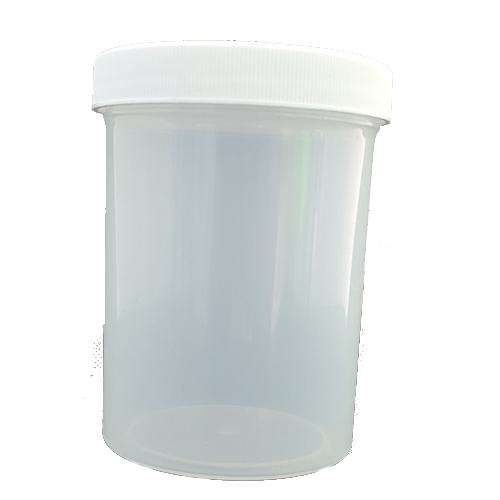
Storage cup for the professional coating machine 50 Ampere Betzmann Galvanoshop: This stable cup with screw cap fits perfectly into the holder of the professional electroplating unit. Capacity 300 ml. On request, you will receive the appropriate labelling for the material to be stored.
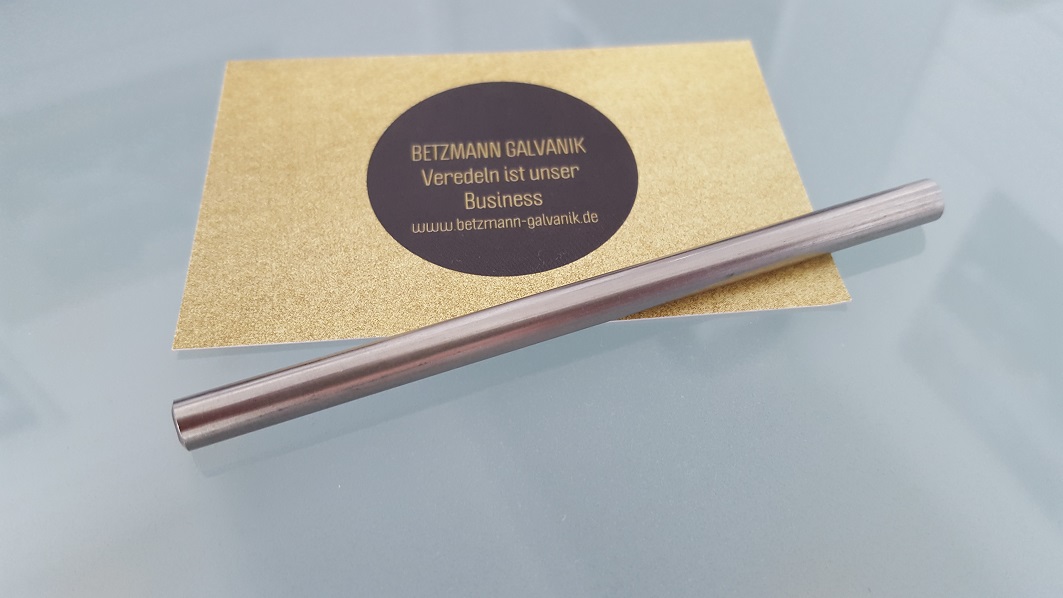
Stainless Steel Electrode Ø 6 mm – Universal Electrode for Activating, Degreasing, Dechroming and Chromium PlatingDurable Stainless Steel Electrode for Professional Tank, Pen and Brush PlatingThe Stainless Steel Electrode Ø 6 mm is manufactured from high-quality, corrosion-resistant stainless steel and has been specially designed for a wide range of electroplating applications. It is ideal for electrolytic degreasing, surface activation, dechroming and chromium plating, providing reliable current transfer in tank plating, pen plating and brush (tampon) plating.Its excellent chemical resistance and mechanical strength ensure a long service life, making it the perfect choice for workshops, laboratories and industrial applications.Your AdvantagesManufactured from high-quality corrosion-resistant stainless steelRobust and durable constructionExcellent electrical conductivityIdeal for electrolytic degreasing and surface activationPerfect for dechromingIdeal for chromium platingSuitable for tank plating, pen plating and brush platingFits standard 6 mm electrode holdersEasy to useProfessional quality from Betzmann GalvanikWhy Use a Stainless Steel Electrode?Stainless steel electrodes are primarily used for pretreatment and cleaning processes. They offer excellent resistance to many electrolytes while providing reliable electrical conductivity with minimal wear.They are particularly suitable for:Electrolytic degreasingSurface activationDechromingChromium platingCleaning processes before electroplatingTypical ApplicationsIdeal for:Electrolytic degreasingSurface activationDechromingChromium platingPretreatment of metal componentsTank platingPen platingBrush (tampon) platingWorkshopsLaboratoriesIndustrial applicationsRestorationModel makingMaterial PropertiesThe electrode is manufactured from high-quality stainless steel and offers:Excellent corrosion resistanceGood electrical conductivityHigh mechanical strengthLong service lifeVersatile applicationsApplication InstructionsBefore use:Thoroughly clean the workpieceRemove grease and contaminationUse a suitable electrolyteFollow the recommended voltage and current settingsImportant Note:For precious metal plating such as gold, silver, palladium or platinum, we recommend using a graphite or platinum electrode, as these do not contaminate the electrolyte with metal ions. Stainless steel electrodes are primarily intended for activation, cleaning, dechroming and chromium plating applications.Technical SpecificationsMaterial: Corrosion-resistant stainless steelDiameter: 6 mmLength: approx. 95 mmExcellent chemical resistanceSuitable for standard electrode holdersPackage Contents1 × Stainless Steel Electrode Ø 6 mmQuality from Betzmann GalvanikBetzmann Galvanik supplies high-quality electrodes and professional accessories for demanding electroplating applications. The Stainless Steel Electrode Ø 6 mm offers outstanding durability, excellent chemical resistance and versatile performance, making it the ideal choice for degreasing, activation, dechroming and chromium plating in hobby, workshop and industrial environments.

Graphite Electrode Ø 6 mm – Universal Electrode for Professional ElectroplatingChemically Inert Graphite Electrode for Tank, Pen and Brush PlatingThe Graphite Electrode Ø 6 mm is manufactured from high-quality, high-density fine-grain graphite and is ideal for a wide range of electroplating applications. It is used wherever a metal-free, chemically inert electrical conductor is required and contamination of the electrolyte by metal ions must be avoided.Thanks to its excellent chemical resistance, graphite dissolves only very slowly in the electrolyte. This keeps the electrolyte composition stable and ensures high-quality, uniform plating results.The graphite electrode is perfectly suited for tank plating, pen plating and brush (tampon) plating and is compatible with a wide variety of electroplating solutions.Your AdvantagesManufactured from high-quality fine-grain graphiteChemically inertVery low wearNo contamination of the electrolyte with metal ionsExcellent chemical resistanceUniform current distributionSuitable for a wide range of electroplating processesLong service lifeFits standard 6 mm electrode holdersProfessional quality from Betzmann GalvanikWhy Use a Graphite Electrode?Many electroplating processes require that no additional metal ions enter the electrolyte, as these can negatively affect coating quality.Graphite offers several important advantages:Chemically almost inertVery low solubilityExcellent temperature resistanceGood electrical conductivityNo contamination of the electrolyteThese properties make graphite the preferred choice for many decorative and technical plating applications.Typical ApplicationsIdeal for:Gold platingSilver platingChromium platingPalladium platingPlatinum platingWhite bronze platingBlack nickel platingTank platingPen platingBrush (tampon) platingActivating solutionsCleaning solutionsWorkshopsLaboratoriesIndustrial applicationsRestorationModel makingMaterial PropertiesThe electrode is manufactured from high-density fine-grain graphite and offers:Excellent chemical resistanceGood electrical conductivityLow wearSlow consumption in the electrolyteLong service lifeApplication InstructionsBefore use:Keep the electrode clean and free from greaseUse a suitable electrolyteFollow the recommended voltage and current settingsDuring operation, the graphite electrode wears only slowly. Replacing it when necessary ensures consistently high-quality plating results.Technical SpecificationsMaterial: High-density fine-grain graphiteDiameter: 6 mmExcellent chemical resistanceVery good electrical conductivitySuitable for standard electrode holdersPackage Contents1 × Graphite Electrode Ø 6 mmQuality from Betzmann GalvanikBetzmann Galvanik supplies high-quality electrodes and professional accessories for demanding electroplating applications. The Graphite Electrode Ø 6 mm offers excellent chemical resistance, long service life and universal compatibility, making it the ideal choice for hobby users, workshops and industrial applications.

Mixer set for measuring Real Gold Betzmann With this mixer set consisting of 1x measuring cylinder3x pipette3 x beaker you can mix rose gold, white gold, green gold, etc. in the right proportion exactly.

Anode Fabric Pad Sleeve Fluffy BMG-015 – Uniform Coating & Maximum Control The Anode Fabric Pad Fluffy BMG-015 is a specially designed accessory for pen plating and tampon electroplating, ensuring consistent electrolyte distribution and controlled coating processes. Thanks to its fluffy, high-volume structure, the pad absorbs electrolyte efficiently and releases it evenly and continuously onto the surface. This results in clean, uniform and high-quality metal coatings, even in demanding applications. Key Benefits at a Glance Excellent electrolyte absorption and release Uniform liquid and current distribution Ideal for precise and controlled plating Suitable for: Pen plating Tampon plating Reduces streaking and uneven deposits Flexible and easy to replace Applications Selective metal plating Repair and touch-up work Fine detail applications Jewelry finishing Technical surface treatments Technical Parameters Product Type: Anode fabric pad (fluffy) Item Number: BMG-015 Material: High-absorbency textile fabric Structure: Fluffy / high-volume Function: Electrolyte carrier for anode applications Application Areas: Pen plating Tampon plating Electrolyte Absorption: Very high Electrolyte Release: Even and controlled Current Distribution: Supports uniform deposition Reusability: Limited (depending on application) Replacement: Quick and easy Application – Step by Step 1. Preparation Soak the fabric pad with the appropriate electrolyte Allow excess liquid to drip off slightly Attach to the anode or plating pen 2. Pen Plating Application Move the pad evenly across the surface Maintain consistent contact Control voltage and movement Ensures precise and clean results 3. Tampon Plating Application Use the pad as an electrolyte carrier Apply even pressure Maintain continuous motion Ideal for selective plating applications Pro Tips for Best Results Replace pad regularly for consistent quality Avoid over-saturation → better control Uniform movement prevents streaks Always use clean electrolyte Conclusion The Anode Fabric Pad Fluffy BMG-015 is an essential accessory for achieving precise, uniform and high-quality results in pen and tampon electroplating. It ensures optimal control, clean finishes and significantly improved coating performance.

Platinum Electrode Ø 6 mm (BMG-008) Short Description The Platinum Electrode Ø 6 mm is a premium-quality electrode made from pure platinum, designed for demanding electroplating processes. With exceptional resistance to aggressive solutions and excellent conductivity, it is ideal for precious metal plating, precision surface finishing and reproducible high-quality results. Product Description Constructed from pure platinum, this electrode delivers highly stable, contamination-free current supply even in strongly oxidizing or chemically aggressive electrolytes. This ensures consistent deposit quality, color stability and structural integrity in your plating applications. With a diameter of 6 mm, it fits standard electrode holders and is suitable for bath, pen and pad plating. Typical Applications Precious metal plating (e.g., gold, silver, palladium, rhodium) Chrome and specialty coatings under challenging conditions Laboratory and precision electroplating R&D and prototyping Use with aggressive or oxidizing electrolytes Key Benefits Outstanding chemical resistance: ideal for aggressive plating baths Minimal contamination: keeps electrolyte and deposits clean High electrical conductivity: supports stable current flow and even coatings Long service life: performs well under frequent use Versatile compatibility: works with standard Ø 6 mm holders Usage Instructions Preparation: Thoroughly clean and degrease the workpiece before plating. Setup: Mount the platinum electrode as the anode, connect the workpiece as the cathode. Plating: Operate within recommended voltage and temperature ranges for best results. Maintenance: After extended use, gently clean any buildup to maintain performance. Conclusion The Platinum Electrode Ø 6 mm is a robust, highly reliable solution for demanding electroplating applications requiring chemical resistance, deposit purity and process stability. It is an excellent choice for professionals in workshops, labs and production environments.

Professional Electroplating Complete System BMG-50A-500 Short Description The Professional Electroplating Complete System BMG-50A-500 is a high-performance mobile plating unit designed for reliable, reproducible electroplating of a wide range of metals including gold, silver, platinum, palladium, chrome, rhodium, nickel, copper, zinc, tin and bronze. Featuring High-Frequency Pulse (HFP) technology, this all-in-one workstation is ideal for workshop, lab, training or on-the-go plating services. Product Description This complete system integrates a 50 amp power unit with advanced HFP electronics that deliver dense, uniform metal deposition faster and with superior adhesion compared to conventional current sources. The HFP concept is widely recognized in high-end portable plating equipment to improve plating speed and finish quality. It features adjustable DC output (3–12 V) and is designed to operate continuously (24 h) under industrial-like conditions, housed in a robust mobile workstation. Scope of Supply Power Unit: 50 A output with High-Frequency-Pulse (HFP) technology, adjustable 3–12 V DC Cables & Holders: 5 extendable spiral cables, 4 handle mounts, organizer rail Workstation: Stainless steel trolley unit with seat, perforated tray and sump tray Anodes: 5 electrode rods (4× 6 mm stainless steel, 1× 4 mm stainless steel) Pads & Containers: 10 mixed sleeves, 4 consumable cups Electrolytes: 1 Liter Electrocleaner 1 Liter Chrome remover1 Liter Activator1 Liter Nickel Electrolyte1 Liter alkaline copper electrolyte500 ml Gold Electrolyte (8 g/L) Documentation & Support: German/English manuals and training videos, personal support Key Technical Features High-Frequency Pulse (HFP): Produces finer, denser and more even metal layers, reducing porosity and improving coating quality – a technique also used in premium plating systems. Adjustable Voltage: Flexible 3–12 V DC for control and precision Durable Construction: Mobile stainless steel unit Typical Applications This system can electroplate virtually any conductive surface, including: Precious metals (gold, silver, platinum, palladium) Decorative finishes (chrome, rhodium, black rhodium/ruthenium) Functional metals (nickel, copper, zinc, tin, bronze) Industrial parts, jewelry, decorative pieces, technical components Core Benefits Complete system: Includes power, electrodes, chemicals and pads Advanced HFP technology: Faster, smoother plating Mobile & flexible: Integrated workstation with storage and seat Broad metal compatibility: Suitable for decorative and functional plating Support & training: Manuals, videos and free personal technical help Safety Notes Only suitable for conductive surfaces. Follow proper cleaning, activation and safety protocols. Use appropriate personal protective equipment and work in a ventilated area. Conclusion The Professional Electroplating Complete System BMG-50A-500 is a versatile, ready-to-use plating station for a wide range of metals and applications, blending high-end pulsed plating technology with a complete set-up suited to hobbyists, professionals and industrial users alike. High-Frequency Pulse Plating (HFPP) – What It Is High-Frequency Pulse Plating is a modern electrical deposition method used in brush/tampon plating in which the electrical current is not delivered as a continuous DC output, but rather as rapidly pulsed high-frequency impulses. Typical pulse ranges: • frequency: approx. 15–40 kHz • pulse duration: microseconds to milliseconds • waveform: usually rectangular/square pulses • current delivery: modulated duty cycle for controlled metal ion transfer ––––––––––––––––––––––– How It Works – Core Mechanism Instead of a constant ion flow (continuous DC), the bath/gel or wet pad receives a sequence of micro-bursts of energy. Between pulses, short relaxation phases allow: • ion diffusion back to the surface • local replenishment of metal ions • reduction of hydrogen buildup • significantly reduced polarization effects • lower thermal load on the substrate The result is faster, cleaner, and denser deposition with lower defect rates. ––––––––––––––––––––––– Technical Benefits for Brush / Tampon Galvanic Plating Compared to conventional DC: Higher deposition quality – smoother grain structure – higher micro-hardness – tighter nano-crystalline layer growth – improved adhesion on difficult substrates Reduced burning & edge over-plating Pulse energy limits local overheating and current crowding. Lower porosity & improved density Noticeably fewer pinholes, voids, and inclusions. Superior micro-distribution Improved throwing power, better coverage in edges/corners. Lower hydrogen embrittlement Especially relevant for high-strength steels or spring alloys. More controlled thickness build Enables precision restoration, small-area repair, and decorative finishing. Improved plating speed Shorter process times and higher metal utilization in brush plating. ––––––––––––––––––––––– Advantages Compared to Conventional DC Brush Plating (Summary) ParameterContinuous DCHF Pulse PlatingGrain structurecoarsefine / nano-crystallineAdhesionmediumhighPorosityhigherlowHydrogen effectsstrongerreducedEdge burningcommonminimizedLayer hardnessstandardhigherAccuracymediumexcellentThermal loadhigherreducedSpeedmediumhigher ––––––––––––––––––––––– Application Relevance HF Pulse Plating is particularly advantageous in: • restoration & repair plating • selective / localized deposition • precious metal finishing (gold, rhodium, platinum, silver) • chrome-on-chrome touch-up • aerospace & automotive components • instrument, medical, watch, and jewelry plating • high-value refurbishment and micro-restoration ––––––––––––––––––––––– Why It’s a Good Fit for Tampon/Brush Plating Brush plating inherently suffers from: • electrolyte starvation • small plating zones • limited agitation • high local current density Pulse technology compensates for these constraints and increases layer quality to near bath-plating standards while preserving the selectivity advantages of brush plating.