
Sleeve multi-layered - thick 6mm

€2.50
Available, delivery time: 1-2 days
Product information "Sleeve multi-layered - thick 6mm"
Sleeve - Swab - Anode fabric pad - Anode covers, thick, multi-layered -
Replacement covers for pad electroplating from Betzmann Galvanik
This thick, very robust anode fabric pad consists of several layers of fabric sewn together and is ideal for coating any surface. It does not wear out so quickly, especially on rough or coarse surfaces.
At the lower end there are 2 insertion holes for the anode rod up to 6mm (for 8mm you can enlarge the holes with scissors or a knife.
If this has already worked its way through the fabric at the top, you can continue to use the anode fabric pad by inserting it into the other insertion hole.
Please soak the pad thoroughly before use, otherwise it will not conduct.
Scope of delivery: 1 piece!
Similar Items

Zinc Electrode Ø 6 mm (BMG‑Zinc Electrode) Short Description The Zinc Electrode Ø 6 mm is a high‑purity zinc anode (Zn 99.95 %) designed for electroplating applications where controlled zinc ion release is essential. It promotes uniform, corrosion‑resistant zinc layers and is suitable for bath, pen, and pad plating setups. Product Description This zinc electrode is crafted from unalloyed, high‑purity zinc with a diameter of 6 mm and a practical length of approximately 100–120 mm. Its composition and geometry make it suitable as a standard anode for a range of electrochemical processes, including zinc plating and ion migration studies. During plating, zinc dissolves in a controlled manner, helping to maintain bath composition and balance metal content, which in turn leads to reliable, homogenous deposit formation. It serves as a sacrificial anode, continuously replenishing the electrolyte with zinc ions while the workpiece is plated. Typical Applications Electroplating and zinc coating operations Bath, pen and pad plating techniques Corrosion protection layers for iron, steel or copper alloys Electrochemical experimentation and teaching Practical use in laboratories, workshops, and production Key Benefits High‑purity zinc (99.95 %) for consistent ion release Efficient plating bath regeneration Versatile use across galvanic methods Uniform coating formation Standard Ø 6 mm size fits most electrode holders Usage Instructions Preparation: Clean and degrease all surfaces before plating to ensure good adhesion. Setup: Mount the zinc electrode as the anode (positive terminal) and connect the workpiece as the cathode (negative terminal). Electroplating: Operate at appropriate voltage and current density for zinc plating; low voltages and moderate currents typically yield uniform finishes. Maintenance: Over time the electrode surface may change — periodic cleaning or replacement keeps performance optimal. Conclusion The Zinc Electrode Ø 6 mm is a reliable, easy‑to‑use component for zinc electroplating and corrosion‑resistant coatings, suitable for both hobby and professional applications, offering excellent process stability and consistent results.

Zinc Anode / Plate Electrode (SW10071) Short Description The Zinc Anode / Plate Electrode is a flat sacrificial anode made from high-purity zinc (Zn ≥ 99.8 %), designed for electroplating processes that require uniform, protective zinc coatings. It supplies zinc ions steadily into the electrolyte, promoting stable plating conditions and consistent deposit quality. Product Description This plate electrode is made from high-purity zinc and features a flat, broad geometry (approx. 50 × 80 mm for the M size) with a thickness of about 0.7 mm, making it suitable for plating larger surface areas evenly. As a sacrificial anode, zinc dissolves in a controlled manner, helping to maintain the metal content of the bath and provide stable plating conditions. The large active surface makes this electrode particularly suitable for bath electroplating with zinc electrolytes, ensuring uniform current distribution and improved coating quality. Typical Applications Electroplating of zinc for corrosion protection Bath plating for decorative or functional zinc finishes Plating of larger components requiring even coverage Workshop, laboratory, and educational electroplating processes Key Benefits High-purity zinc (≥ 99.8 %): supports clean, reproducible results Broad plate design: improves current distribution across surfaces Ideal for zinc electrolyte baths: enhances plating consistency Controlled electrolyte regeneration: maintains bath composition Simple to integrate: suitable for various electroplating setups Usage Instructions Preparation: Thoroughly clean and degrease the workpiece; activate if required. Placement: Position the zinc plate electrode as the anode (positive terminal) in the electrolyte, with the workpiece as the cathode. Plating: Set current and voltage according to the specific zinc electrolyte — typically low volt ranges are used. Maintenance: Clean the electrode periodically to remove oxide buildup and maintain performance. Conclusion The Zinc Anode / Plate Electrode is an efficient sacrificial anode designed for consistent and uniform zinc electroplating. Its large active surface and high material purity make it suitable for hobby, workshop, and professional electroplating applications alike.

Curved Platinum Electrode (BMG-034-2) Short Description The Curved Platinum Electrode is a premium, shaped electrode with a platinized surface specifically designed for electroplating applications on convex and concave surfaces. Its curved profile delivers larger contact area, improved current distribution and faster, more even plating on contoured workpieces. Product Description This electrode features a titanium base with a fine platinum coating, offering excellent chemical inertness, high resistance to corrosion in many plating baths, and minimal contamination — ideal for brush or pen plating with precious metals such as gold, palladium and rhodium. Its curved geometry increases the active contact area against curved objects, ensuring that the plating current is distributed more uniformly and consistently across complex shapes. Platinized titanium electrodes are widely regarded as superior to stainless steel or graphite ones because they produce cleaner, high-quality coatings, have excellent longevity and are compatible with most plating solutions, provided highly chloridic or fluoridic electrolytes are avoided. Typical Applications Electroplating of curved metal objects (e.g., rings, reflectors, concave components) Gold, silver and precious metal finishing on contoured surfaces Repairs and detail plating on curved industrial or decorative parts Use in hobby, workshop, lab and production electroplating environments Key Benefits Curved profile: fits concave/convex shapes for improved contact Large active area: better current distribution and uniform plating Platinum coating: chemically inert and ideal for high-quality finishes Long service life: durable electrode performance with repeated use Versatile: suitable for various precious and specialty metal electrolytes Usage Instructions Preparation: Clean and degrease the workpiece; activate surface if required. Placement: Align the electrode so that it maximally contacts the curved surfaces. Plating: Set appropriate voltage and current according to the plating solution. Operation: Move the electrode evenly over the surface, leveraging the curved design for consistent contact. Maintenance: After plating, gently clean the electrode to remove residual deposits — avoid abrasive materials to preserve the platinum layer. Conclusion The Curved Platinum Electrode is a professional-grade solution for electroplating on curved and complex shapes, delivering uniform, high-quality results thanks to its increased contact area and platinum-enhanced surface. It is ideal for precise finishing tasks in hobbyist, workshop and commercial plating applications.

Aluminium Electrode Ø 6 mm (SW10012) Short Description The Aluminium Electrode Ø 6 mm is a robust, chemically resistant anode designed for electroplating applications where aluminium offers advantages. It is ideal for chrome, nickel and other plating processes that require reliable current distribution, minimal contamination and consistent performance. Product Description Made from high-quality aluminium, this electrode delivers excellent electrical conductivity and broad chemical resistance in many electrolytes. It provides a stable current supply that enhances process consistency and helps produce uniform, reproducible deposits. With a diameter of 6 mm, it fits standard electrode holders and is suitable for bath, pen and pad plating setups. Typical Applications Electroplating processes such as chrome and nickel plating Bath, pen and pad plating Surface cleaning, activation and pre-treatment Workshop, laboratory and manufacturing environments Key Benefits Strong electrical conductivity for stable electroplating Chemical resistance in a variety of electrolytes Low contamination of the plating bath Longer service life compared to less stable electrodes Versatile compatibility with standard Ø 6 mm holders Usage Instructions Preparation: Clean and degrease workpieces thoroughly before plating. Setup: Connect the electrode as the anode; the workpiece serves as the cathode. Plating: Operate the electrolyte according to process requirements. Maintenance: Clean the electrode regularly to ensure long-lasting performance. Conclusion The Aluminium Electrode Ø 6 mm offers a reliable and versatile anode solution for a range of electroplating applications. Its combination of good conductivity, chemical resistance, and ease of use makes it suitable for hobbyists, workshop professionals and industrial plating tasks alike.

Stainless Steel Electrode Thin Ø 4 mm (BMG‑006) Short Description The Stainless Steel Electrode Thin Ø 4 mm is a durable, chemically resistant electrode designed for precise electroplating applications. Its slim diameter makes it especially suitable for targeted current delivery and fine surface work in bath, pen and pad plating. Product Description Made from high‑grade stainless steel, this electrode offers excellent resistance to corrosion and a wide range of plating electrolytes. The slender 4 mm diameter makes it ideal for detailed work, pinpoint plating and tight access areas where larger electrodes are impractical. Stainless steel ensures reliable electrical conductivity and long service life even under frequent use in demanding electroplating environments. The electrode integrates easily with standard holders and is suitable for a variety of plating applications. Typical Applications Targeted electroplating on small or intricate workpieces Bath, pen and pad plating Surface activation and pre‑treatment in electroplating Repair and detail restoration of plated objects Workshop or laboratory tasks with limited access spaces Key Benefits Slim 4 mm diameter: excellent for precision plating Chemical resistance: compatible with many electrolytes Durable and reliable: stainless steel withstands frequent use Versatile: suitable for bath, pen and pad methods Easy to install: fits standard electrode holders Usage Instructions Preparation: Clean and degrease the surface to be plated. Setup: Mount the electrode as the anode and connect the workpiece as the cathode. Plating: Operate the electrolyte according to process requirements, adjusting current and voltage as needed. Maintenance: Clean the electrode regularly to maintain performance. Conclusion The Stainless Steel Electrode Thin Ø 4 mm is a reliable, versatile tool for precision electroplating, offering excellent stability and performance for targeted plating, repairs, and fine surface work in workshop, lab or professional environments.

Platinum Electrode Ø 6 mm (BMG-008) Short Description The Platinum Electrode Ø 6 mm is a premium-quality electrode made from pure platinum, designed for demanding electroplating processes. With exceptional resistance to aggressive solutions and excellent conductivity, it is ideal for precious metal plating, precision surface finishing and reproducible high-quality results. Product Description Constructed from pure platinum, this electrode delivers highly stable, contamination-free current supply even in strongly oxidizing or chemically aggressive electrolytes. This ensures consistent deposit quality, color stability and structural integrity in your plating applications. With a diameter of 6 mm, it fits standard electrode holders and is suitable for bath, pen and pad plating. Typical Applications Precious metal plating (e.g., gold, silver, palladium, rhodium) Chrome and specialty coatings under challenging conditions Laboratory and precision electroplating R&D and prototyping Use with aggressive or oxidizing electrolytes Key Benefits Outstanding chemical resistance: ideal for aggressive plating baths Minimal contamination: keeps electrolyte and deposits clean High electrical conductivity: supports stable current flow and even coatings Long service life: performs well under frequent use Versatile compatibility: works with standard Ø 6 mm holders Usage Instructions Preparation: Thoroughly clean and degrease the workpiece before plating. Setup: Mount the platinum electrode as the anode, connect the workpiece as the cathode. Plating: Operate within recommended voltage and temperature ranges for best results. Maintenance: After extended use, gently clean any buildup to maintain performance. Conclusion The Platinum Electrode Ø 6 mm is a robust, highly reliable solution for demanding electroplating applications requiring chemical resistance, deposit purity and process stability. It is an excellent choice for professionals in workshops, labs and production environments.

Graphite Electrode Ø 6 mm (BMG‑010) Short Description The Graphite Electrode Ø 6 mm (BMG‑010) is a durable, chemically inert electrode rod made from high‑density fine‑grain graphite. Designed for use as an anode or electrode in electroplating processes, it is ideal for bath, pen, and pad plating applications where a clean, metal‑free current supply is essential. Product Description This graphite electrode is manufactured from highly compressed fine‑grain graphite, which dissolves only slowly in electrolytes. Unlike metallic anodes, graphite does not shed contaminating metal particles, ensuring cleaner coatings and higher deposit quality. The 6 mm diameter rod, with an approximate length of 95 mm, fits standard plating fixtures, holders, and pen plating tools, making it easy to integrate into various electroplating setups Typical Applications Electroplating processes (e.g., silver, gold, copper, black nickel, chrome, white bronze) Pen, bath, and pad plating Activation and pre‑treatment steps Counter‑electrode or anode use in a wide range of electrolytes Situations where metal contamination must be avoided Key Benefits Chemically inert: prevents unwanted metal ion contamination in the plating bath. Versatile: compatible with most electroplating chemistries and techniques. Slow wear: dissolves gradually, extending service life. Affordable: cost‑effective solution for frequent use. Easy to use: fits common plating holders and pen plating tools. Material & Dimensions Material: High‑density fine‑grain graphite Diameter: 6 mm Length: approx. 95 mm (other lengths may be available) Practical Tips Ensure electrodes are clean and free of oils before use. Replace electrodes periodically as they slowly dissolve during electroplating. Graphite’s mild warming effect can help stabilize bath temperature during plating. Conclusion The Graphite Electrode Ø 6 mm is an effective and reliable anode/electrode for a wide range of electroplating applications. Its inert behavior, broad compatibility, and metal‑free current delivery make it a solid choice for hobbyists, workshops, labs, and professional plating operations.

Copper Electrode Ø 6 mm (BMG-011) Short Description The Copper Electrode Ø 6 mm is a high-purity copper anode (99.9 %) designed for efficient electroplating of copper. It delivers consistent copper ion supply in the electrolyte, enabling fast, even and high-quality copper plating — suitable for bath, pen and pad plating applications. Product Description Made from pure copper (99.9 %), this electrode offers excellent electrical conductivity and controlled copper release into the plating bath. This helps maintain a stable metal content in the electrolyte, improving deposit quality and process reliability while reducing waste and costs. Typical Applications Copper electroplating in various electrochemical setups Bath, pen and pad plating techniques Decorative and functional copper coatings Foundation layers for corrosion protection before further plating Use in workshops, labs and production environments Key Benefits Superior conductivity: ensures stable current flow during plating. High-purity copper: reduces bath contamination and supports consistent results. Faster copper ion exchange: improves plating efficiency and finish quality. Cost savings: can reduce plating solution expenses by up to 40 %–50 % by maintaining bath metal content. Easy handling: fits standard electrode holders and plating fixtures. Usage Tips Preparation: Thoroughly clean and degrease workpieces before plating. Plating Setup: Connect the electrode to the positive terminal while the workpiece serves as the cathode. Maintenance: Clean the electrode periodically to maintain performance. Compatibility: Best used with copper plating electrolytes in both alkaline and acidic baths. Conclusion The Copper Electrode Ø 6 mm is an essential component for efficient and reliable copper electroplating, offering a balanced combination of performance, cost-effectiveness and ease of use for hobbyists, technicians and professional plaquers alike.

Gold Electrolyte BMG‑067M High-Quality Gold Plating Electrolyte – 8 g Gold per Liter Short Description The Gold Electrolyte BMG‑067M is a ready-to-use plating solution for electrolytic gold deposition on metal surfaces. Containing 8 grams of pure gold per liter, it produces bright, shiny, and corrosion-resistant gold layers on conductive metals. Suitable for hobbyists, workshops, and professional use, it can be applied in tank plating as well as brush or tampon plating. Applications The gold electrolyte is ideal for: Decorative gold plating (jewelry, accessories, design objects) Technical gold plating (contact surfaces, circuit boards, measuring devices) Corrosion protection and durable surface finishing Multi-layer systems (e.g., Copper → Nickel → Gold) For best results, surfaces should be polished, degreased, and activated before plating. How it Works (Simple Explanation) Polish: Prepare the surface to a high gloss. Clean: Degrease thoroughly (e.g., with an electrocleaner). Activate: Chemically treat the surface with an activator. Plating: Using direct current and a suitable anode (platinum or graphite), gold is deposited from the solution. The result is a thin, uniform gold layer with a high purity of 99.9%, which is bright, corrosion-resistant, and long-lasting. Advantages Easy to use for beginners and professionals Produces shiny, uniform gold layers High purity gold deposit (99.9%) Suitable for tank, brush, and tampon plating Versatile for decorative and technical applications Technical Parameters PropertyValue / RangeElectrolyte typeGold plating solutionGold contentapprox. 8 g/LpHacidic, lowOperating temperature14–25 °CVoltage3–5 VRecommended anodePlatinum or graphiteGold content in deposit99.9 % (rest carbon)Deposition rateapprox. 0.5 µm/min at 3.5 VCathode efficiencyapprox. 35–40 %Maximum layer thicknessup to 10 µmLayer hardnessapprox. 220–230 HVDeposit densityapprox. 19.3 g/cm³Storageprotect from direct sunlightShelf lifeapprox. 1–2 years Values are typical operational data; slight variations may occur depending on application. Application Instructions Surface preparation: Polish → Degrease → Activate Gold plating: Operate the electrolyte at 3–5 V with a platinum or graphite anode Partial plating: Masking possible (e.g., tape, nail polish) Sloped surfaces: Use of a leveling agent or thickener can reduce material loss Safety Instructions Gold electrolytes contain chemical components and must be handled safely: Wear chemical-resistant gloves, safety glasses, and protective clothing Avoid contact with skin and eyes Rinse thoroughly with water if contact occurs Use only in well-ventilated areas Do not inhale vapors or aerosols Contains small amounts of potassium cyanide (~0.3%) – handle with care Do not ingest; keep out of reach of children Hazard statements: H302 (harmful if swallowed), H313 (may be harmful in contact with skin), H317 (may cause allergic skin reaction). Scope of Delivery Gold Electrolyte BMG‑067M Quantity according to selection Conclusion The Gold Electrolyte BMG‑067M is a powerful and versatile solution for gold plating, delivering bright, uniform, and corrosion-resistant gold layers. It is suitable for decorative applications (jewelry, accessories) and technical applications (contact surfaces, circuit boards). With easy handling, high gold purity, and precise deposition, it is ideal for hobbyists, workshops, and professional plating operations. Combined with proper surface preparation and activation, it ensures top-quality, durable, and visually outstanding results.
Content: 0.05 Liter (€1,560.00 / 1 Liter)

Nickel Electrode Ø 6 mm (BMG-012) Short Description The Nickel Electrode Ø 6 mm is a high-quality anode made from nearly pure nickel, engineered for electroplating applications where controlled nickel ion release is essential. It delivers consistent, durable nickel deposits and is ideal for bath, pen and pad plating processes. Product Description Constructed from robust, corrosion-resistant nickel, this electrode offers excellent conductivity and uniform dissolution in the electrolyte. Using a nickel electrode helps maintain a stable nickel concentration in the bath, resulting in uniform deposits, enhanced layer properties and repeatable results. With a diameter of 6 mm and a length of approximately 95 mm, it fits standard electrode holders and plating setups. Typical Applications Nickel electroplating in various plating systems Bath, pen and pad plating techniques Corrosion protection layers and functional intermediate coatings Pre-treatment for subsequent precious metal plating Use in workshop, laboratory and production processes Key Benefits High chemical resistance: dissolves smoothly in electrolyte Stable current supply: supports reproducible plating outcomes Improved layer quality: even distribution and strong adhesion Long service life: durable material reduces frequent replacement Easy to use: fits common Ø 6 mm electrode holders Usage Instructions Preparation: Clean and degrease workpieces before plating. Setup: Install the nickel electrode as the anode, connect the workpiece as the cathode. Operation: Plate within recommended voltage and temperature ranges. Maintenance: Periodic cleaning extends electrode life and ensures consistent performance. Conclusion The Nickel Electrode Ø 6 mm is an essential component for efficient and reliable nickel electroplating, offering consistent performance for hobbyists, technicians and professional platers alike.
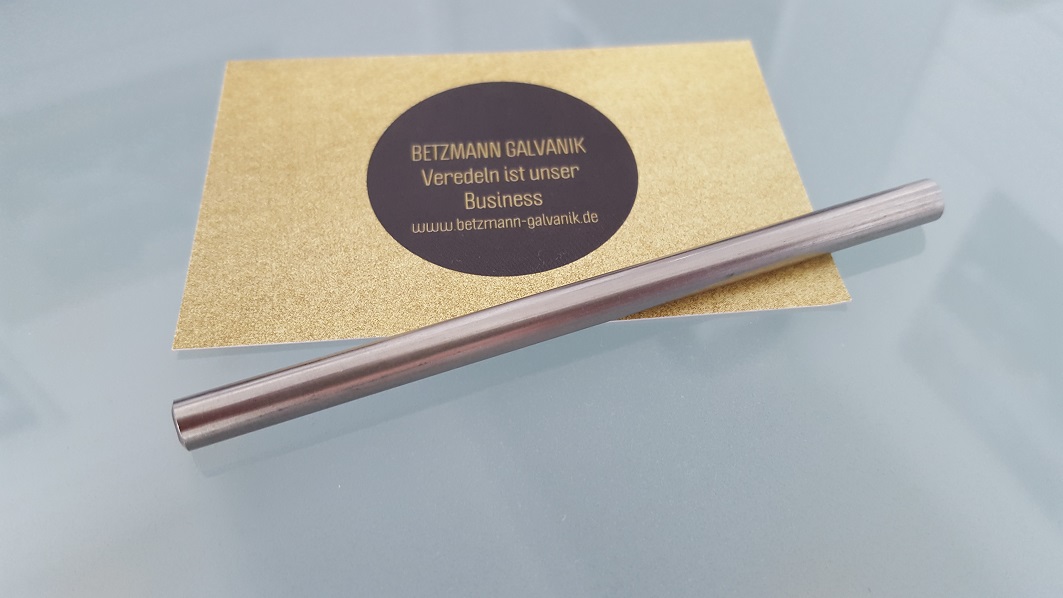
Stainless Steel Electrode Ø 6 mm (BMG-007) Short Description The Stainless Steel Electrode Ø 6 mm is a versatile plating electrode designed for a wide range of electroplating tasks, especially degassing, activation, dechroming and chrome plating. Suitable for pen, bath and pad electroplating, it delivers consistent current flow and durable performance in your plating setups. Product Description This electrode is made from corrosion-resistant stainless steel with a diameter of 6 mm and a length of approx. 9.5 cm, making it a compact and easy-to-handle tool for many galvanic applications. It is particularly effective for: Degreasing and activating metal surfaces prior to plating Dechroming or preparing surfaces for subsequent layers Chrome plating processes where robust anode performance is needed Pre-treatment and cleaning steps during electrochemical work It fits standard holders and electrode grips used in pen and tampon plating and provides reliable performance in repeated or continuous use. Key Benefits Durable stainless steel construction: Offers good chemical resistance and long service life. Broad compatibility: Well-suited for degreasing, activation and dechroming operations. Effective for chrome plating: Works particularly well in chromic electroplating applications. Standard size: Ø 6 mm fits most electrode handles and plating tools. Easy to use: Ergonomic size and reliable conductivity promote smooth workflows. Usage Tips Clean and degrease surfaces before using the electrode for best results. In plating processes such as gold or silver, consider using a graphite or platinum electrode instead, as stainless steel may contaminate some plating baths. For chrome plating, stainless steel may be used effectively, sometimes in combination with aluminium electrodes. Conclusion The Stainless Steel Electrode Ø 6 mm is a reliable, robust and versatile tool for a variety of electroplating and surface preparation tasks – especially degreasing, activation and chrome plating. Its solid construction and compatibility with standard plating systems make it a valuable addition to any workshop or lab.
Silver Electrode Ø 6 mm (BMG‑009) Short Description The Silver Electrode Ø 6 mm is a high‑purity silver anode (Ag 99.99 %) designed for electroplating applications. It provides a controlled supply of silver ions to the plating bath, enhances deposit quality and reduces silver consumption in bath, pen and pad plating processes. Product Description Made from electrolytically refined, unalloyed fine silver with a diameter of 6 mm and length of approximately 100 mm, this electrode delivers exceptional electrical conductivity and consistent performance. Its high purity (Ag 99.99) supports stable and efficient plating. When used as a sacrificial anode, the silver dissolves into the plating solution to maintain silver ion concentration, helping to save 40 %–50 % on silver solution costs by reducing the need for frequent top‑up solutions. Fine silver also has the highest electrical and thermal conductivity of all metals, promoting efficient current flow and stable electrochemical conditions. Typical Applications Silver plating of metal parts via bath, pen or pad methods Lowering contact resistance on conductive surfaces Improving solderability of components Research, electrochemistry and laboratory experiments As an ionization electrode in certain air or water treatment setups Key Benefits High‑purity fine silver (Ag 99.99 %) for consistent results Excellent conductivity: supports stable current delivery Reduced silver consumption: more cost‑effective plating Universal use: compatible with multiple plating methods Reliable performance for repeated use Usage Instructions Use with a suitable silver plating electrolyte depending on the method. Connect the silver electrode as the anode to the positive terminal of your power supply. The workpiece acts as the cathode (negative terminal). Adjust voltage and current according to electrolyte recommendations (often low volt range) for even deposits. Conclusion The Silver Electrode Ø 6 mm is an essential accessory for producing high‑quality silver deposits in electroplating applications. Its high purity, conductivity and cost‑saving potential make it ideal for hobbyists, workshop users and professionals alike